- 14 November ,2026
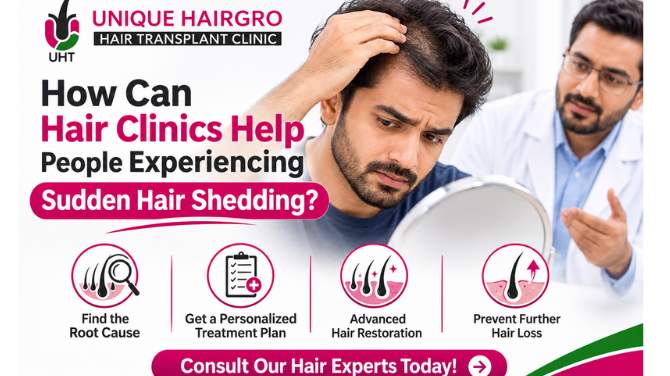
How Can Hair Clinics Help People Experiencing Sudden Hair Shedding?
Sudden hair shedding can be concerning, especially when someone notices more hair than usual on their pillow, comb, or while washing their hair. A professional hair clinic can help identify possible causes, evaluate scalp health, and recommend suitable treatment based on the individual's condition.
Hair shedding may occur due to stress, nutritional deficiencies, hormonal changes, illness, medication, or underlying scalp problems. Instead of trying different products without understanding the cause, consulting a specialist at a hair clinic in Chennai can help individuals take the right steps towards managing hair loss.
1. Identifying the Possible Causes of Sudden Hair Shedding
The first step is understanding why the shedding has started. Hair specialists collect information about recent health changes, lifestyle habits, medications, and hair care routines.
Common causes include:
-
Physical or emotional stress: Significant stress may trigger temporary excessive hair shedding.
-
Nutritional deficiencies: Low levels of iron, protein, or certain vitamins can contribute to hair problems.
-
Hormonal changes: Pregnancy, childbirth, thyroid disorders, and other hormonal changes may influence the hair growth cycle.
-
Recent illness: Fever, infections, or major medical events can sometimes cause increased shedding.
-
Scalp conditions: Certain inflammatory or infectious scalp conditions may contribute to hair loss.
Identifying the possible trigger helps specialists decide what further evaluation or treatment may be necessary.
2. Evaluating Hair Density and Scalp Health
A detailed hair and scalp examination helps determine whether the shedding is temporary or associated with another hair loss condition.
At a professional hair treatment clinic in Chennai, an assessment may involve:
-
Examining the scalp for redness, irritation, or flaking.
-
Checking hair thickness and density.
-
Identifying areas of noticeable thinning.
-
Assessing the hair shedding pattern.
-
Reviewing changes in the hairline and scalp coverage.
Depending on the findings, specialists may recommend additional investigations, such as blood tests or a scalp examination using specialised equipment.
3. Understanding Different Types of Hair Shedding
Not all hair loss follows the same pattern. Understanding the type of shedding is important when selecting an appropriate treatment.
Telogen Effluvium: This condition can cause increased hair shedding after physical stress, illness, nutritional changes, or hormonal fluctuations. It is often temporary, although recovery varies.
Androgenetic Alopecia: Commonly known as pattern hair loss, this condition generally develops gradually and may cause progressive thinning.
Alopecia Areata: An autoimmune condition that can cause sudden, patchy hair loss.
Scalp-Related Hair Loss: Inflammation, infections, and certain scalp disorders may affect normal hair growth.
A qualified specialist can help distinguish between these conditions and recommend further evaluation where needed.
4. Recommending Suitable Hair Loss Treatments
Treatment depends on the underlying cause, severity, and overall scalp condition. A specialist may recommend medical management, lifestyle adjustments, or selected hair restoration procedures.
Some treatment options include:
-
Medical Management: Addressing underlying health conditions or nutritional deficiencies and prescribing appropriate medication when necessary.
-
PRP Treatment: Platelet-Rich Plasma uses components from the patient's own blood and may be considered for selected cases of hair thinning.
-
GFC Treatment: At UniqueHairGro, GFC therapy is an advanced hair restoration option that involves preparing concentrated growth factors from the patient's blood and applying them to selected scalp areas to support hair follicle health and address hair thinning in suitable candidates.
-
Hair Transplantation: For suitable individuals with established pattern hair loss, transplantation may be considered after evaluating donor hair availability and long-term hair loss progression.
People searching for the best hair clinic in Chennai should look for a clinic that explains the benefits, limitations, and suitability of each treatment instead of recommending procedures without proper assessment.
5. Providing Guidance on Nutrition and Daily Hair Care
Healthy hair maintenance involves more than clinical procedures. Daily habits and nutritional balance can also influence hair health.
Specialists may suggest:
-
Including sufficient protein in daily meals.
-
Maintaining a balanced diet with essential nutrients.
-
Avoiding excessive heat styling and harsh chemical treatments.
-
Using hair care products suitable for individual scalp needs.
-
Following a consistent and gentle hair washing routine.
-
Managing stress and maintaining adequate sleep.
If a nutritional deficiency is suspected, appropriate testing and professional guidance can help determine whether supplementation is necessary.
6. Monitoring Hair Recovery and Treatment Progress
Hair recovery takes time, and visible improvement may not happen immediately. Regular follow-up consultations help specialists understand how the condition is progressing.
During follow-up visits, they may:
-
Compare changes in hair density.
-
Review the frequency and pattern of shedding.
-
Assess scalp health.
-
Evaluate the response to recommended treatment.
-
Modify the treatment approach when required.
This ongoing monitoring helps patients understand their progress and maintain realistic expectations.
7. Choosing the Right Hair Clinic in Chennai
Selecting an appropriate clinic is an important step when dealing with sudden hair shedding. Patients should consider the clinic's evaluation process, specialist qualifications, treatment transparency, and follow-up support.
When comparing a hair transplant clinic in Chennai or other hair restoration providers, consider the following:
-
Does the clinic identify the underlying cause of hair loss?
-
Are treatment recommendations based on individual assessment?
-
Are non-surgical options explained where appropriate?
-
Are potential risks and expected outcomes discussed?
-
Is follow-up care available?
A reliable treatment approach should prioritise hair and scalp health before considering advanced restoration procedures.
Why Consult UniqueHairGro for Hair Concerns?
UniqueHairGro is a destination for advanced hair restoration for individuals exploring professional hair care and hair loss solutions. People researching the best hair transplant clinic in Tamil Nadu or looking for guidance about hair transplant cost in Chennai can benefit from understanding their treatment options through a personalized consultation.
UniqueHairGro focuses on understanding individual hair concerns, scalp conditions, and restoration goals before discussing suitable treatment approaches. Options such as PRP, GFC, FUE, and DHI can be explored based on individual suitability and professional assessment.
Frequently Asked Questions
1. Is sudden hair shedding always a sign of permanent hair loss?
No. Sudden shedding can be temporary and may occur after illness, stress, nutritional deficiencies, or hormonal changes. However, persistent or severe shedding requires professional evaluation.
2. When should I consult a hair specialist for sudden hair shedding?
Consult a specialist if shedding is excessive, continues for several weeks, causes visible thinning, or occurs alongside scalp pain, itching, or patchy hair loss.
3. Can PRP treatment help with sudden hair shedding?
PRP may be considered for certain types of hair thinning, but it is not suitable for every cause of sudden shedding. Identifying the underlying condition is important before treatment.
4. Does nutritional deficiency contribute to excessive hair shedding?
Yes. Deficiencies in nutrients such as iron or inadequate protein intake can contribute to hair shedding in some individuals.
5. How long does it take for hair to recover after temporary shedding?
Recovery depends on the underlying cause. In many cases of temporary shedding, improvement may take several months after the triggering factor is addressed.
Conclusion
Sudden hair shedding should not be ignored, particularly when it continues or leads to noticeable hair thinning. Identifying the underlying cause, evaluating scalp health, and choosing suitable treatment options are important steps towards managing the condition.
If you are experiencing excessive hair shedding, consult UniqueHairGro to discuss your hair concerns, explore suitable treatment options, and understand the next steps towards healthier hair.